


These industry-specific standards ensure accurate reporting that reflects the nature of business operations. Generally accepted accounting principles are the standards and rules that accountants follow while recording and reporting financial activities. Accounting standards serve as the foundational rules and guidelines for financial reporting, ensuring consistency and clarity in how businesses present their financial health. By establishing uniform practices, they enable stakeholders to understand and compare financial information across different entities and time periods. They dictate how businesses record transactions, measure financial performance, and communicate their financial position to stakeholders. These principles are necessary for financial reporting to be consistent, making it easier for investors, regulators, and the public to make informed decisions.

Accounting and Financial Reporting Standards
By addressing these challenges, businesses can ensure accurate financial reporting, maintain regulatory compliance, and uphold Accounting Principles effectively. The next section will explore expert strategies for mastering accounting principles. The basic accounting rules are different from the accounting principles, which comprise a set of rules to follow while reporting financial data to internal and external stakeholders. When the accounting principle and rules are obeyed, the presentation of the financial https://produk.nathin.co.id/parts-and-structure-of-an-email-address/ information related to an organization is up to the mark, helping the management make better decisions.
Example of Accounting Principles in Action:
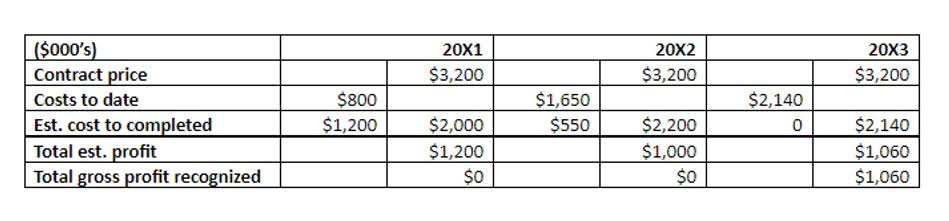
GAAP has evolved over the years in response to changes in business practices, market dynamics, and regulatory requirements. The Financial Accounting Standards Board (FASB) continually updates and refines GAAP to ensure its relevance and usefulness in today’s complex financial landscape. Some significant changes include the introduction of new revenue recognition guidelines and lease accounting standards.
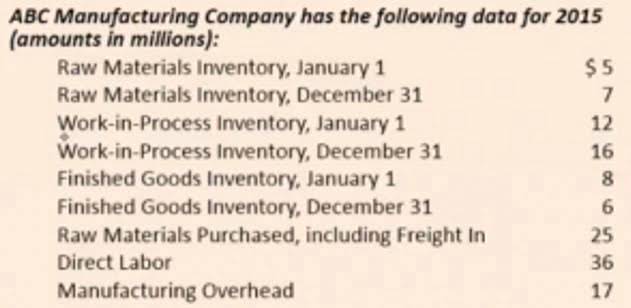
What Are the Generally Accepted Accounting Principles (GAAP)?
The criteria ensure that revenue is recognized in a manner that represents the transfer of promised goods or services to customers in an amount reflecting the consideration to which the entity expects to be entitled. Earlier practices allowed goodwill to be amortized over decades, but SFAS introduced impairment testing, requiring firms to reassess asset values based on market conditions. Before SFAS, companies had significant flexibility in accounting methods, making financial statements difficult to compare.
- By understanding the differences between GAAP Standards in Finance and Accounting and IFRS, businesses can ensure compliance and accuracy in their financial reporting.
- Massaging the numbers can get out of hand and become accounting fraud, also called cooking the books.
- By establishing standards for preparing financial statements, FASB ensures consistency, transparency, and reliability for stakeholders.
- Whether you’re a seasoned accountant, a business owner, or someone just beginning to explore the world of finance, grasping the fundamental principles of accounting is essential.
During the same decade, the American Institute of Certified Public Accountants (AICPA) worked with the SEC to develop the first formal accounting standards. In many other countries, these guidelines fall to the IFRS, established by the International Accounting Standards Board (IASB). Explore the essential principles and practices of FASB standards, including revenue recognition, lease accounting, and financial instruments. Some standards introduced complex rules requiring companies to adjust accounting systems, retrain staff, or restate financial statements. For example, SFAS 133, which governed derivative instruments and hedging activities, significantly changed how companies measured and disclosed financial gym bookkeeping derivatives.
The accrual basis of accounting dictates that transactions are recorded when they occur, regardless of when cash changes hands, providing a more complete picture of a company’s financial performance. Materiality the standards and rules that accountants follow while recording and reporting financial activities. suggests that only information significant enough to influence a user’s economic decisions needs to be disclosed, avoiding an overload of trivial details. The going concern principle assumes a business will continue operating indefinitely, impacting how assets and liabilities are valued.
Why Are GAAP and IFRS Important in Accounting Principles?
- As an example, new revenue recognition rules were issued jointly by the FASB and IASB.
- A company might use these standards in accounting when expanding to export overseas.
- There are essential accounting principles and practices to consider in the preparation process, such as revenue recognition, expense management, and asset management.
- The rise of digital currencies, blockchain technology, & artificial intelligence is reshaping how businesses operate and report their financial information.
Businesses rely on accounting standards, a set of guidelines to guide their accounting practices. Accounting standards outline the most effective methods for tracking, evaluating, and reporting monetary transactions. Understanding accounting principles and the importance of accounting standards is key for any company in the U.S. aiming to achieve its financial goals. The Financial Accounting Standards Board (FASB) is responsible for GAAP, which serves as the foundation for its extensive collection of approved accounting methods and practices.
Supports Investor and Creditor Decision-Making
- Transparency in financial reporting is crucial for investors, stakeholders, and the overall market.
- While U.S. businesses must comply with GAAP, companies operating internationally must also follow additional regulations, such as the International Financial Reporting Standards (IFRS).
- Lenders and investors can also demand GAAP-compliant financial statements from privately owned enterprises and charitable organizations.
- If there is substantial doubt about a company's ability to continue operations, reporting standards must be adjusted accordingly.
- Each new SFAS modified or expanded GAAP, addressing gaps or inconsistencies to keep financial statements relevant.
- This made financial statements harder to compare and made it far easier for companies to skew their numbers positively.
The financial transactions of a company and its owners should be separate and thus report separate accounting records and bank accounts for each. Verifiability maintains the integrity of financial reporting, ensuring that different knowledgeable and independent observers can agree on a particular depiction. This is linked to understandability, which mandates that financial information should be presented clearly and concisely, making it accessible to users with a reasonable knowledge of business and economic activities. Answers will vary, but this should be an opportunity to learnabout careers in a variety of organizations (for-profit includingmanufacturing, retail, and services; not-for-profit; andgovernmental agencies). You may have an assumption about a careerthat is based only on the positive aspects.

Financial reporting relies on standardized guidelines to ensure consistency and transparency. Statements of Financial Accounting Standards (SFAS) played a key role in this framework, providing detailed rules for financial statement preparation. Though no longer issued, SFAS remains influential through its integration into modern accounting standards. While GAAP Standards in Finance and Accounting provide a general framework for financial reporting, different industries have specific accounting guidelines to address unique financial transactions.